Project Kind Kindergarten (project no NPHZ-2024/10140 with project period 08/2024 – 08/2026; Nordplus Horizontal 2024)
Summary of the project
The development in the educational systems of Estonia and Lithuania has been fast since the 1990s. However, in many educational institutions, the relational culture of the Soviet era still prevails, where relationships are not consciously dealt with and a behavioural approach to learning prevails.
In the course of the project, a systemic model (Kind Kindergarten) for kindergartens is developed. The implementation of the model supports the development of a relationship culture at all levels and between all parties including children, parents, teachers and other team members, school leaders and wider community. The model is being piloted in one Estonian and Lithuanian kindergarten. Valuable input will be gathered from the Swedish kindergarten Nyponkulla experience.
The Kind Kindergarten model will be grounded in the principles of restorative justice, inspired by humanistic psychology, incorporating social emotional learning competencies and backed by best practice and research findings from around the world. In the frame of the training, kindergarten team members learn various methods that support building relationships and resolving conflicts.
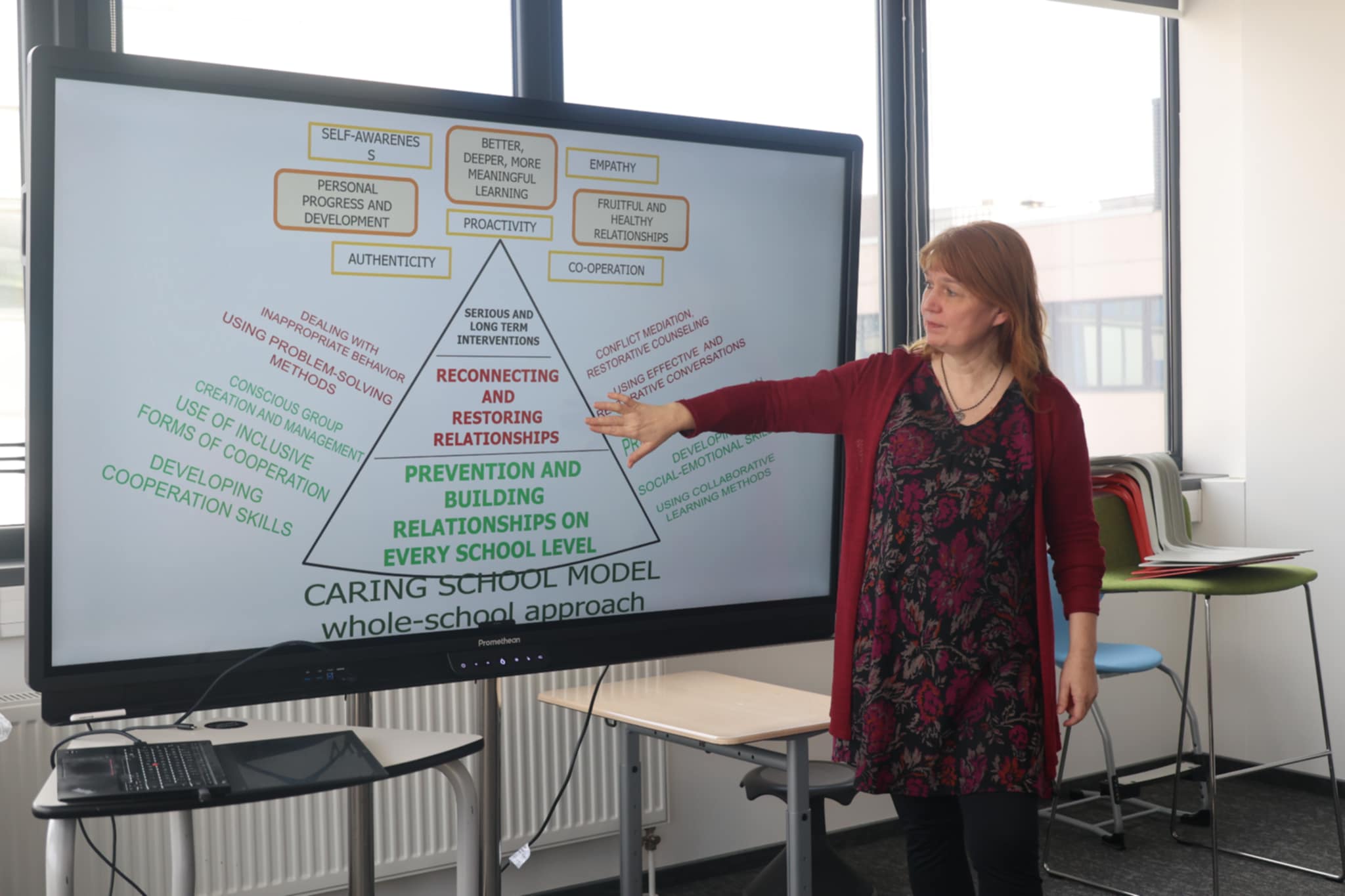
The model will be based on the Caring School Model which is implemented by six schools in Estonia, but can also be implemented in different types of organisations including kindergartens. However, adaptations in the model and methodology are necessary considering the children’s age development and kindergarten context).
Project outputs:
* adaptation of the Caring School model (creating a suitable model for the kindergarten) and methodology
* development of training programme and methodological materials
* piloting the methodology in kindergartens in Estonia, Lithuania
* dissemination of results
Summary of project outcomes and results
The Nordplus project “Kind Kindergarten” has successfully developed an innovative early childhood education model based on the principles of the Caring School program. The project has adapted this framework to the kindergarten context across Estonia, Lithuania, and Sweden, focusing on 5 core competencies: self-awareness, empathy, proactivity, co-operation, and authenticity.
Through three international seminars held in Vilnius (Lithuania), Nyponkulla (Sweden), and Võru (Estonia), project partners have exchanged practices, analysed different pedagogical approaches, and collaboratively designed the Kind Kindergarten model. Study visits to local kindergartens have enabled participants to observe diverse learning environments and test the applicability of the model in real-life settings. These exchanges have strengthened international cooperation and ensured that the model reflects the needs of different educational systems.
A key outcome of the project is the Kind Kindergarten model itself, including methodological guidelines and practical tools tailored for early childhood educators. The model emphasises the role of adults in creating a safe relationship-based learning environment that supports children’s development. It integrates restorative practices, attachment-based approaches, and child-centered pedagogy, while ensuring age-appropriate, concrete, and consistent methods for daily use.
The model will be piloted in partner kindergartens in Estonia and Lithuania, accompanied by 16 days of teacher training. Feedback collected throughout the process informed continuous improvements and ensured the model’s relevance and usability. As a result, participating educators have increased their competencies in social-emotional learning, reflective practice and collaborative work.
The project has had a significant impact on both the adult education and early childhood sectors by strengthening educators’ professional skills and promoting a shared understanding of supportive learning environments. It has also raised awareness of the importance of social-emotional development and relational pedagogy in early education.
Project results include the Kind Kindergarten model, training materials, and dissemination activities such as seminars, newsletters, and a dedicated project website. These outputs ensure that the model is accessible to a wider audience and can be further implemented and adapted in different contexts.
Overall, the project has achieved its objectives and laid a strong foundation for future development of caretakers and children.
INTERNATIONAL SEMINARS THAT HAVE TAKEN PLACE
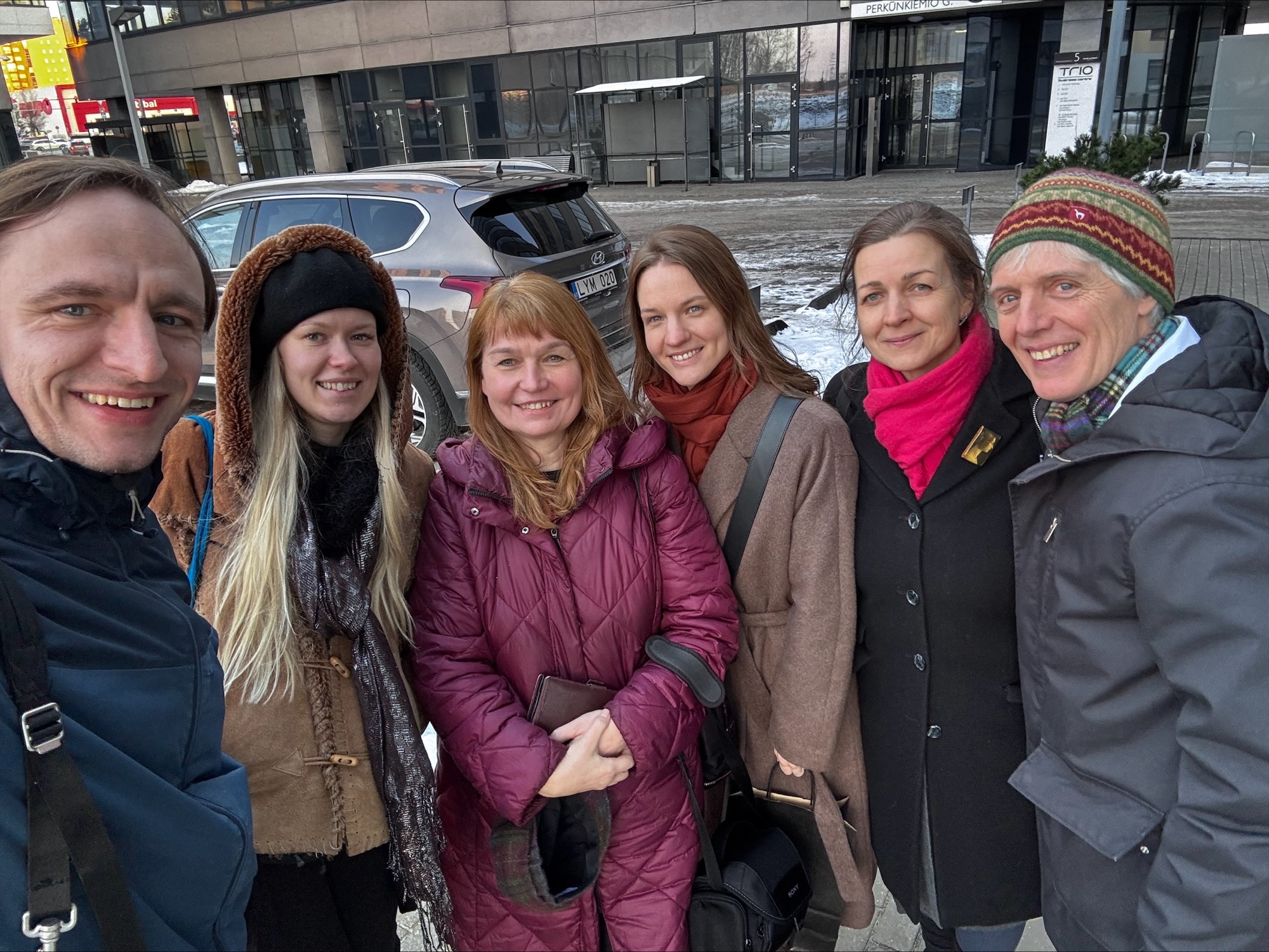
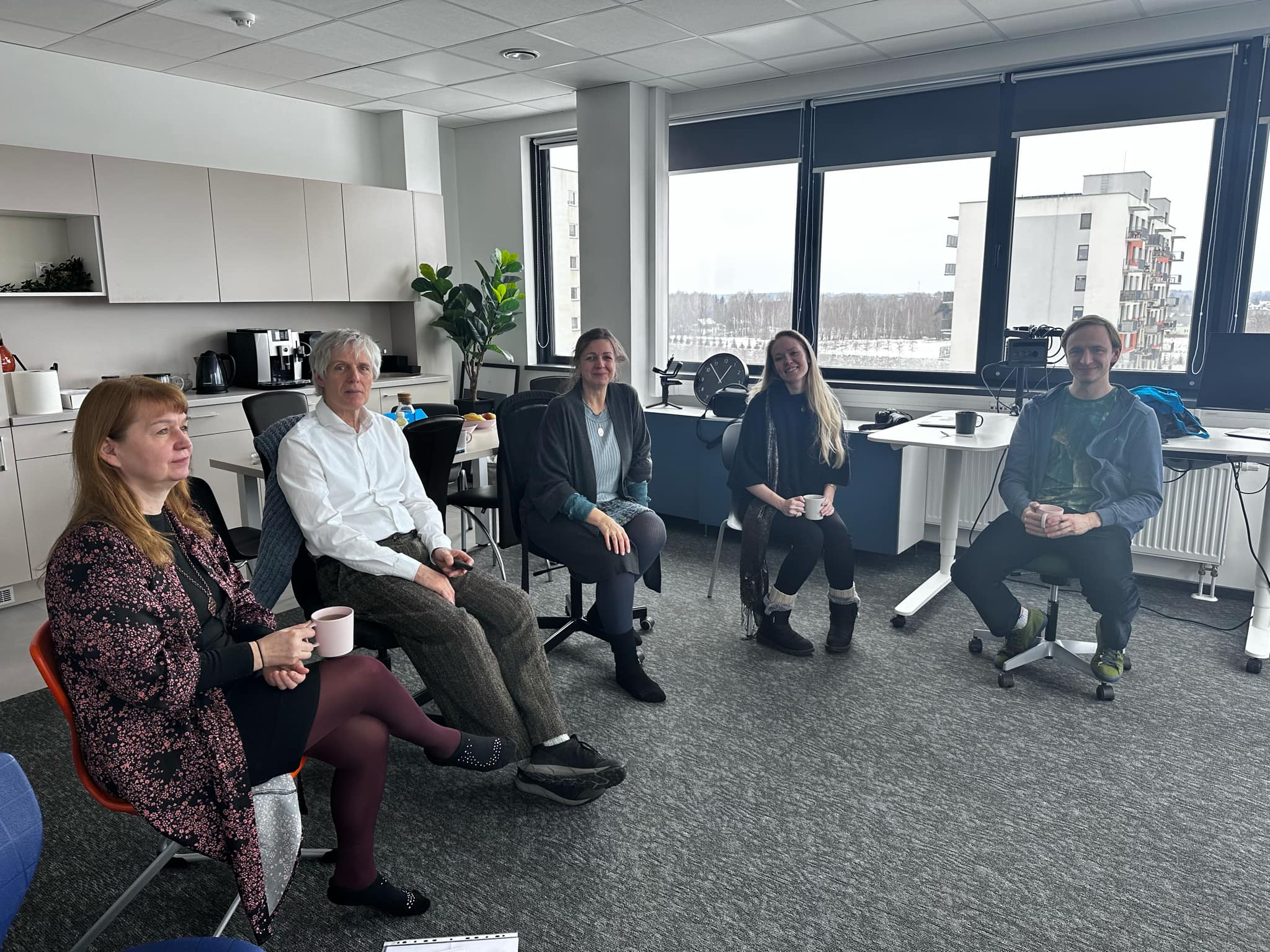
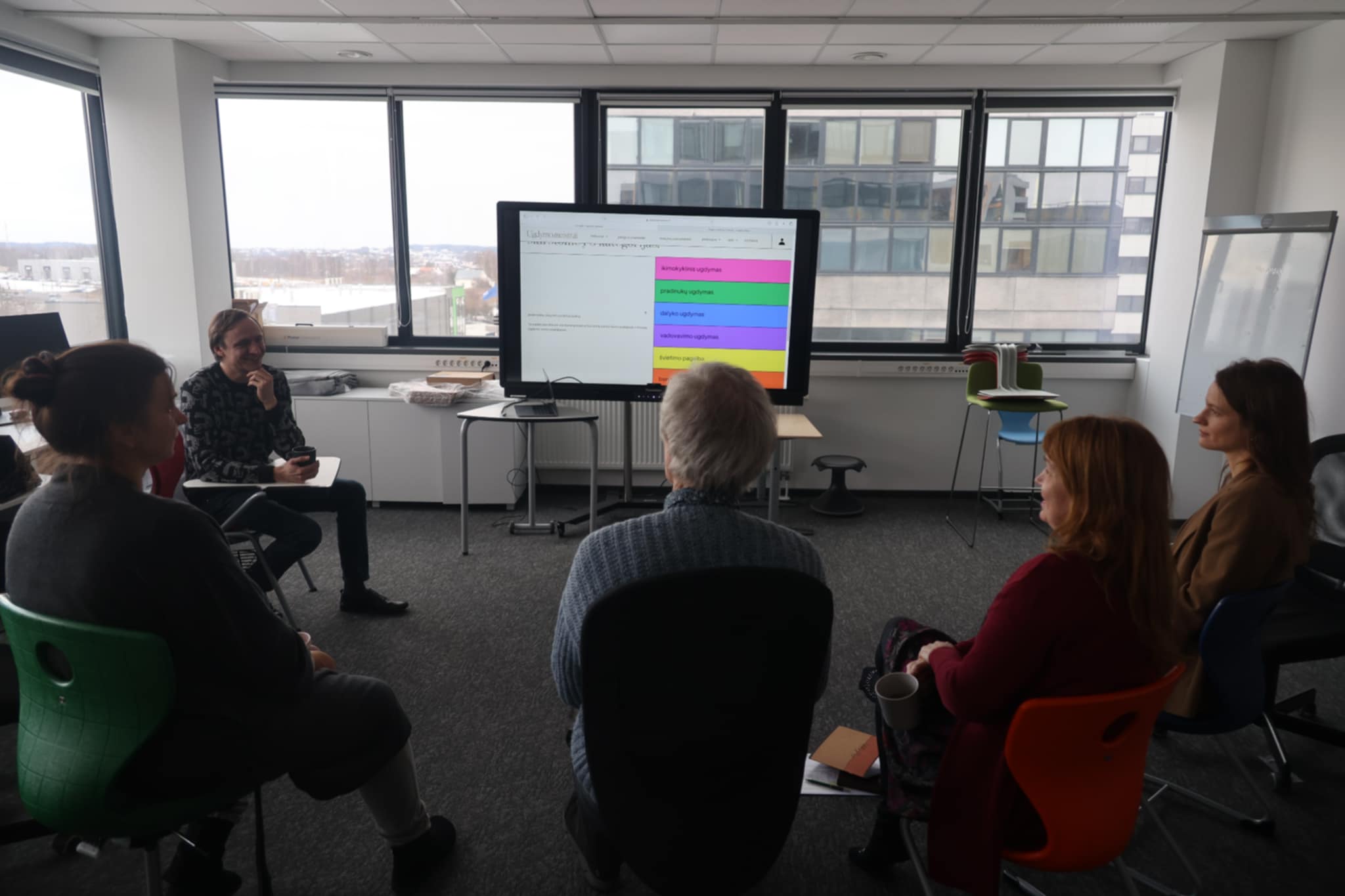
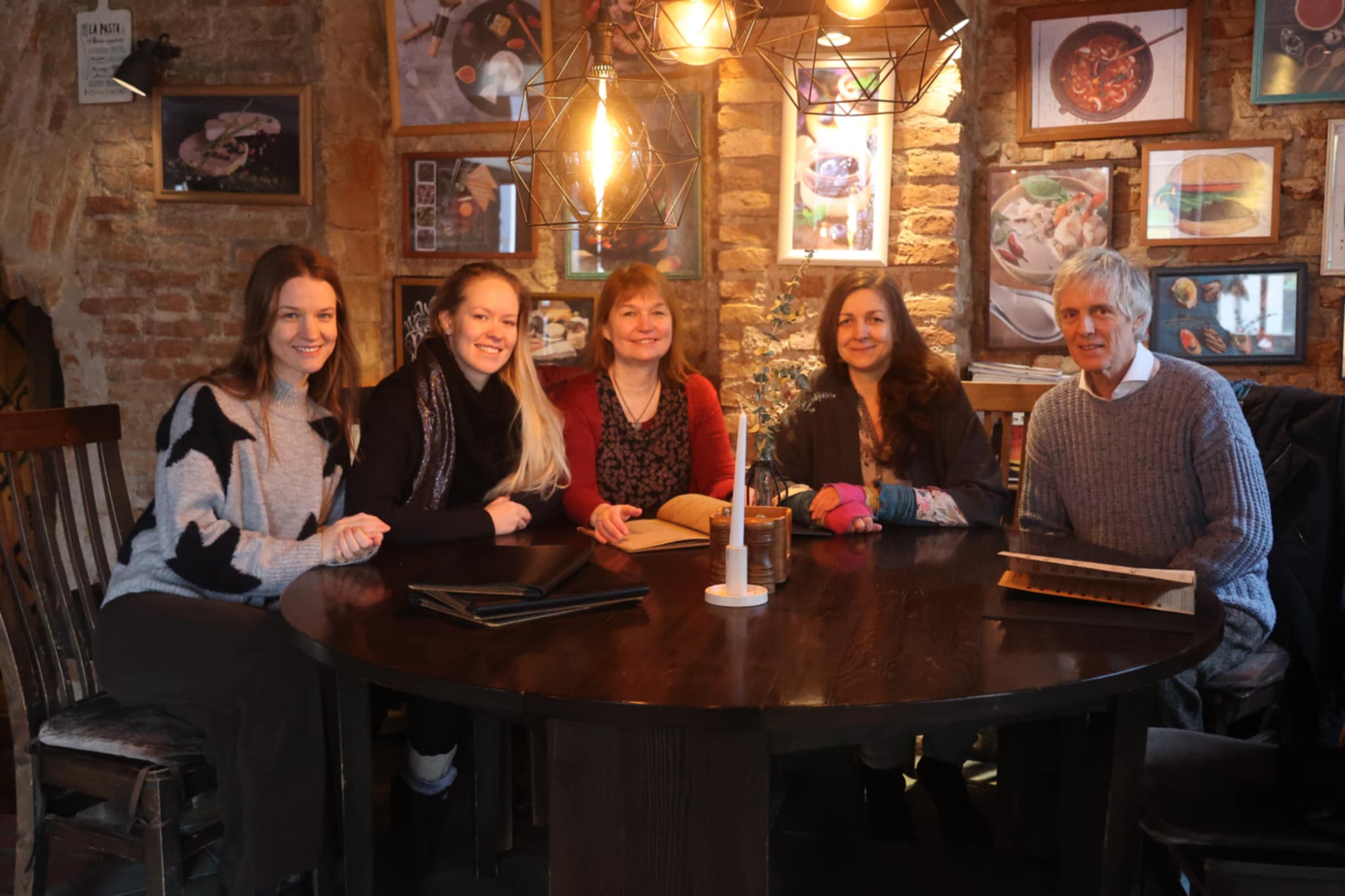
Seminar for sharing experiences Lithuania: took place 6-9th of February 2025 in Vilnius
Activities that took place:
– team exercises including introducing organizations involved in the project / team of the project:
– introduction to Ugdymo Meistrai (hosting partner)
– introduction to Waldorf Kindergarten basis and Võru kindergarten Terve Pere Aed, story of founding; daily routines and weekly activities with children; Emmi Pikler principles of early childhood pedagogy
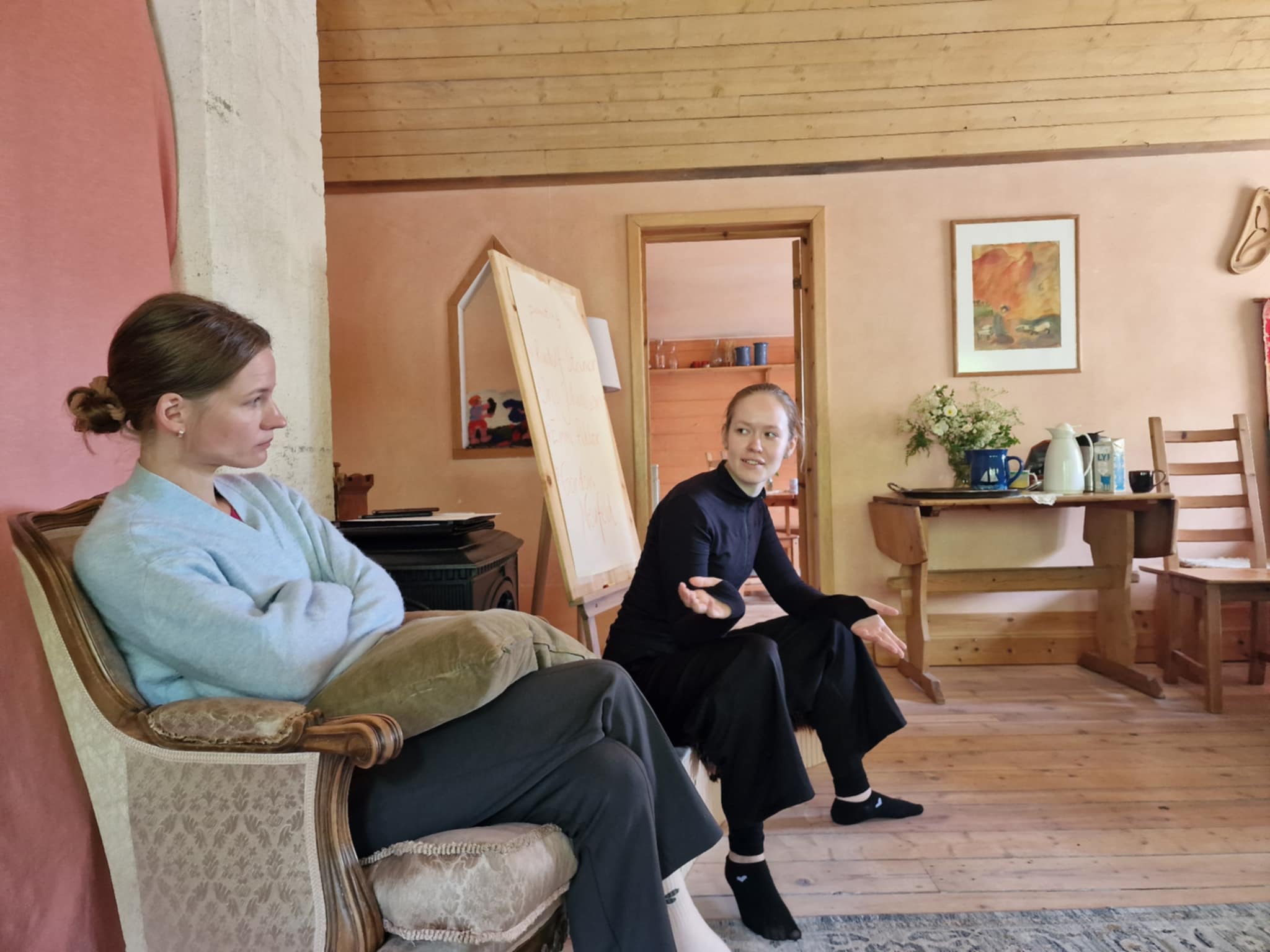
– introduction to Nyponkulla founding and pedagogy; introducing 4 pillars (Rudolf Steiner, Iris Johansson, Emmi Pikler, Gordon Neufeld) and philosophies on what the Nyponkulla kindergarten is based on
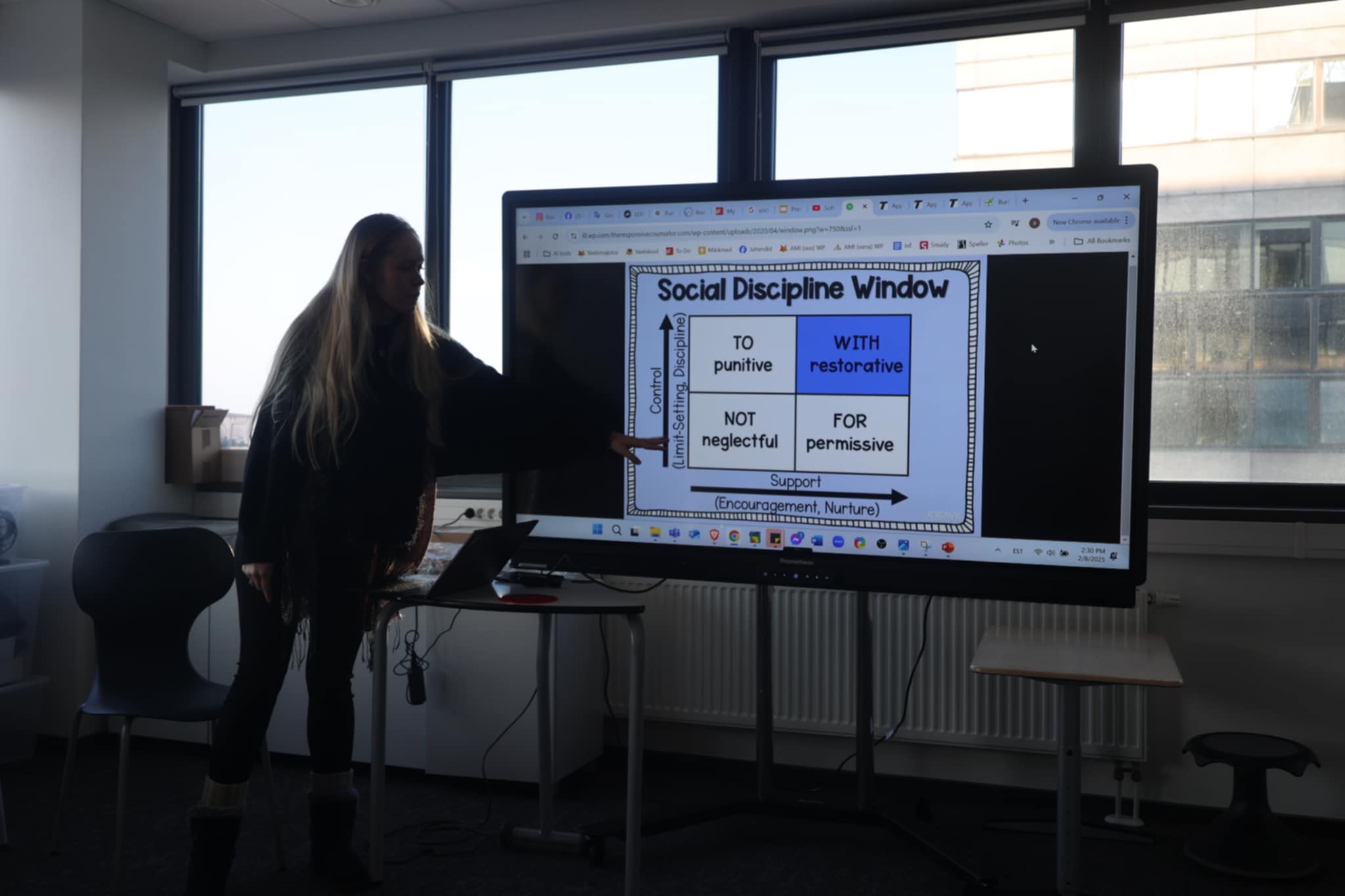
– introducing SA Omanäolise Kooli Arenduskeskus, project lead and the Kind Kindergarten concept developer based on program Caring School and model background; introducing restorative principles and foundations it is laid on
– analyzing different kindergarten approaches, visit to local kindergarten
– division of responsibility among organizations and agreements:
- Foundation Omanäolise Kooli Arenduskeskus
- project management and coordination
- development and piloting of the Kind Kindergarten model in Estonia
- training for the Kindergarten Terve Pere Aed
- international seminar in Estonia, visiting Terve Pere Aed – May 2026
- Ugdymo meistrai (Masters of Education)
- development (including feedback) and piloting of the Kind Kindergarten model in Lithuania
- trainings for the Kindergarten Patirčių slėnis
- international seminar in Lithuania
- The Nyponkulla Association
- international seminar in Sweden – June 2025
- sharing best practies with partner organizations
- Kindergartens (Lithuania – Patirčių slėnis) and (Estonia – Terve Pere Aed)
- responsible for piloting and giving feedback for the Kind Kindergarten model.
Seminar for sharing experiences Sweden: took place 5-8th of June 2025 in Nyponkulla
Activities that took place:
– team exercises; getting to know Nyponkulla and each other: Käty Toommägi & Holger Garthaus (Nyponkulla, host), Koidu-Tani Jürisoo & Hanna Marii Ilves (SA Omanäolise Kooli Arenduskeskus, Avatud Meele Instituut), Kadri-Liisa Kurvits (Võru Terve Pere Aed), Lukas Benevičius (VšĮ „Mokymosi mokykla”, Ugdymo Meistrai), Indre Monceviciute, Jurgita Bloze Astrauske, Ekaterina Griazeva, Rasa Sileviciene (Patirčių slėnis)
– visited Solvik cultural centre and school; activities with the school creator and intuitive pedagogy guru Pär Ahlbom involving self-awareness and co-operation
– introduction to Nyponkulla 1995-2025 history; why it was created; reminding 4 pillars and philosophies on what the kindergarten is based on (Rudolf Steiner, Iris Johansson, Emmi Pikler, Gordon Neufeld)
– learning from Nyponkulla experience, action pedagogy and work parties (in which all co-operate)
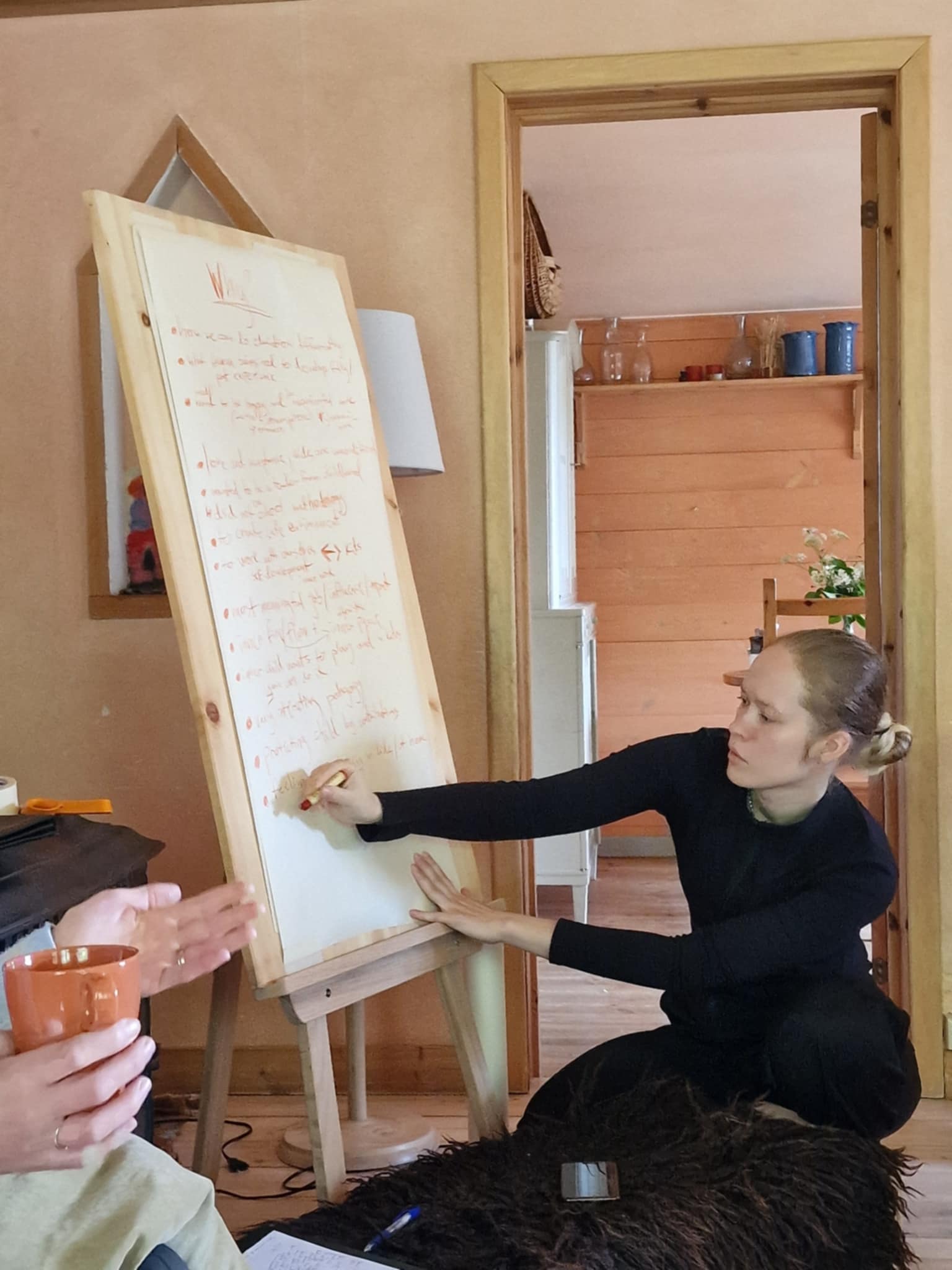
– primarily discussed: What is our why? Why do we want to work with children and in kindergartens?
- we want to do education differently from the methodologies in schools; we have high interest in pedagogy
- we care about what human beings need in order to develop fully and want to create a safe environment for children (a feeling of home)
- we want to be happy as in we need to do meaningful/spiritual inner work for self-development
- we care about team atmosphere and co-operation in creating an impact for children
- we have inner fire and also inner peace in doing so as we also value playing
- we have dreamed about the role of teacher since childhood
- we want to protect children by contributing and overall we want to create a better world
Kind Kindergarten 5 core elements (self-awareness, empathy, proactivity, co-operation, authenticity) were discussed in detail:
Self-awareness in adults in kindergartens means recognizing their own emotions, behaviors, and biases to better support children’s development and learning.
- being aware of and understanding our thoughts, feelings, needs and values
- being present here and now
- being able to observe ourselves
- being conscious about primary and secondary life; distinguishing them
- knowing what is the purpose of kindergarten
- understanding adults role in kindergarten
→ taking over responsibility of parents while the kids are there - being in touch with our inner moods (as the kids are impacted by them)
- understanding if the problem is within me or others
Empathy in adults in kindergartens means understanding and responding to children’s feelings and perspectives with care and sensitivity.
- observing and understanding others thoughts, feelings and needs
- acceptance without judging; not giving judgments of good or bad
- needs high levels of understanding of borders of “me” and “you”
- sympathy vs antipathy → holding in place to create space for empathy
- not being affected by others moods
- creating slow tempo consciously
- treating a child like a subject not an object
Proactivity in adults in kindergartens means taking initiative to support children’s needs, prevent issues, and create a positive learning environment.
- consciously coming to feeling and to heart to really feel love, magic, amazement; being aware of primary or secondary life
- protecting inner child
- choosing to be active and solution-minded; having the will and capacity to act and initiate
- focusing on the things we can control
- taking responsibility about our reactions → opposing to reactivity; not taking a victim role and blaming others; understanding that we are the creators/initiators and not victims in our lives
- creating conscious conditions for intuition (resting; going to the woods etc)
- trying to learn actively and change our behaviour according to it
Co-operation in adults in kindergartens means working effectively with colleagues, parents, and children to support shared goals and well-being.
- dividing responsibility and roles; being conscious about when to lead and when to follow
- ability to cooperate with people different than ourselves → accepting different perspectives
- exchanging best practices and learning from one another
- has different levels; helping colleagues and exchanging best practices and learning from one another; supporting attachment between children and their parents etc
- knowing children are being born to be cooperative and want to do it
- being aware that cooperation is different from adaptation; co-op should be authentic
Authenticity in adults in kindergartens means being genuine, consistent, and true to oneself while building trustful relationships with children and others.
- being able to express our thoughts, feelings, needs and values; related to being unique and having your own purpose in life
- being aware of our mistakes and not hiding our life experiences
- knowing “I am valuable because I am”
- having the ability to have 2 feelings at the same time
- having values/boundaries in place no matter of circumstances
How can we bring them to Kind Kindergarten?
Learning from each other; asking if there is a possibility to create more life? (always is);
observing Nyponkulla and learning from experience
- Attachment is ground; that gives safety for full development of children.
- Creating consciously an environment for senses to fully develop.
- Feeling of freedom to play; emphasis on movement, balance, body as an instrument; leaving things unfinished as process is the reward; giving the opportunity for children to choose what they are interested in
- Observing kids as to what they need and adapting (for example – adding little garden with fence for children to feel safe as opposed to big forest)
self-awareness actively making the effort to be present with the child (for example, greeting the child individually at the start of the day, putting away the phone, looking the child in the eye etc); being actively interested in what the child is thinking, feeling and what the child needs; if an adult is feeling overwhelmed then switching for that time with a co-worker | empathy allowing the child to have antipathy → later comes empathy; adults can not demand empathy from children when it has not developed yet; not pushing the child to imitate empathy as it can become an adaption; to have sympathy; through exercise | proactivity free movements development; Pikler pedagogy; and not putting children in physical positions (as the swing etc) because the child has to have autonomy to move and they self-regulate; | co-operation observing what the child needs and providing the opportunity to fill that need; being a solution-oriented and sensible caring alpha; if a child is not wanting to co-operate then being interested about it and creating attachment first (bridging); all children want to cooperate | authenticity not expecting any results; having trust that when adults create the environment then children are authentic → if a safe adult and safe attachment is in place then there is authenticity |
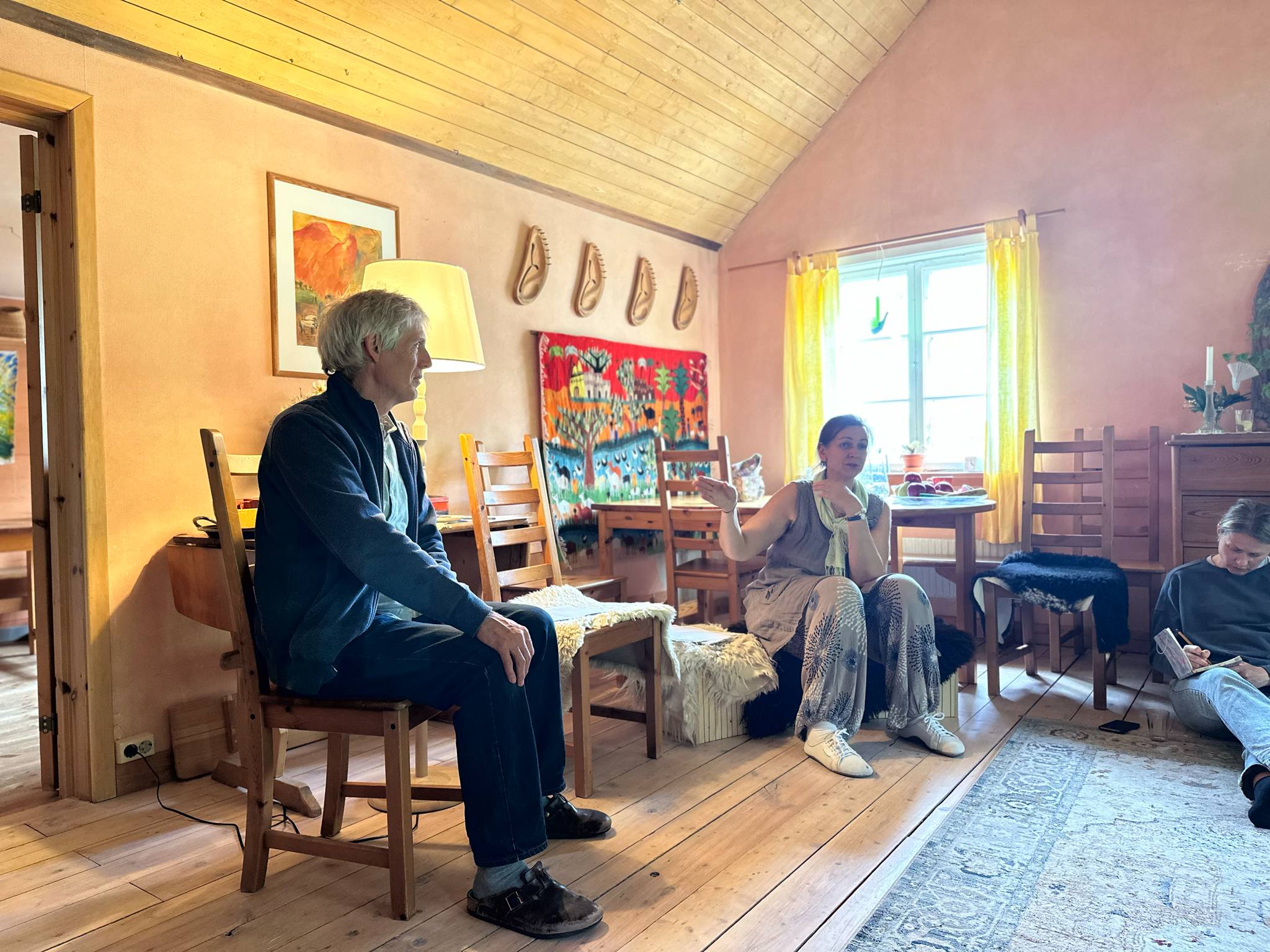
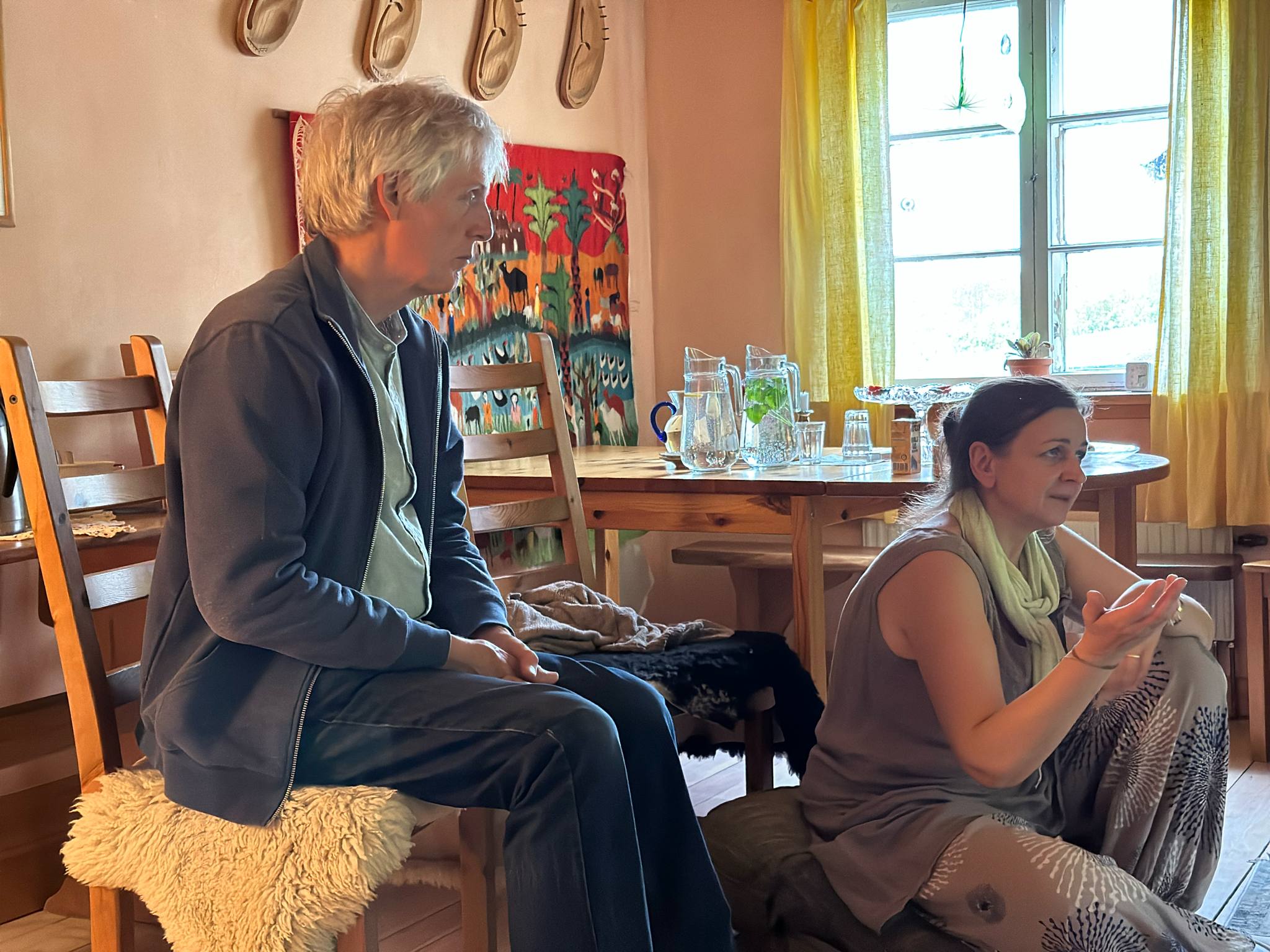
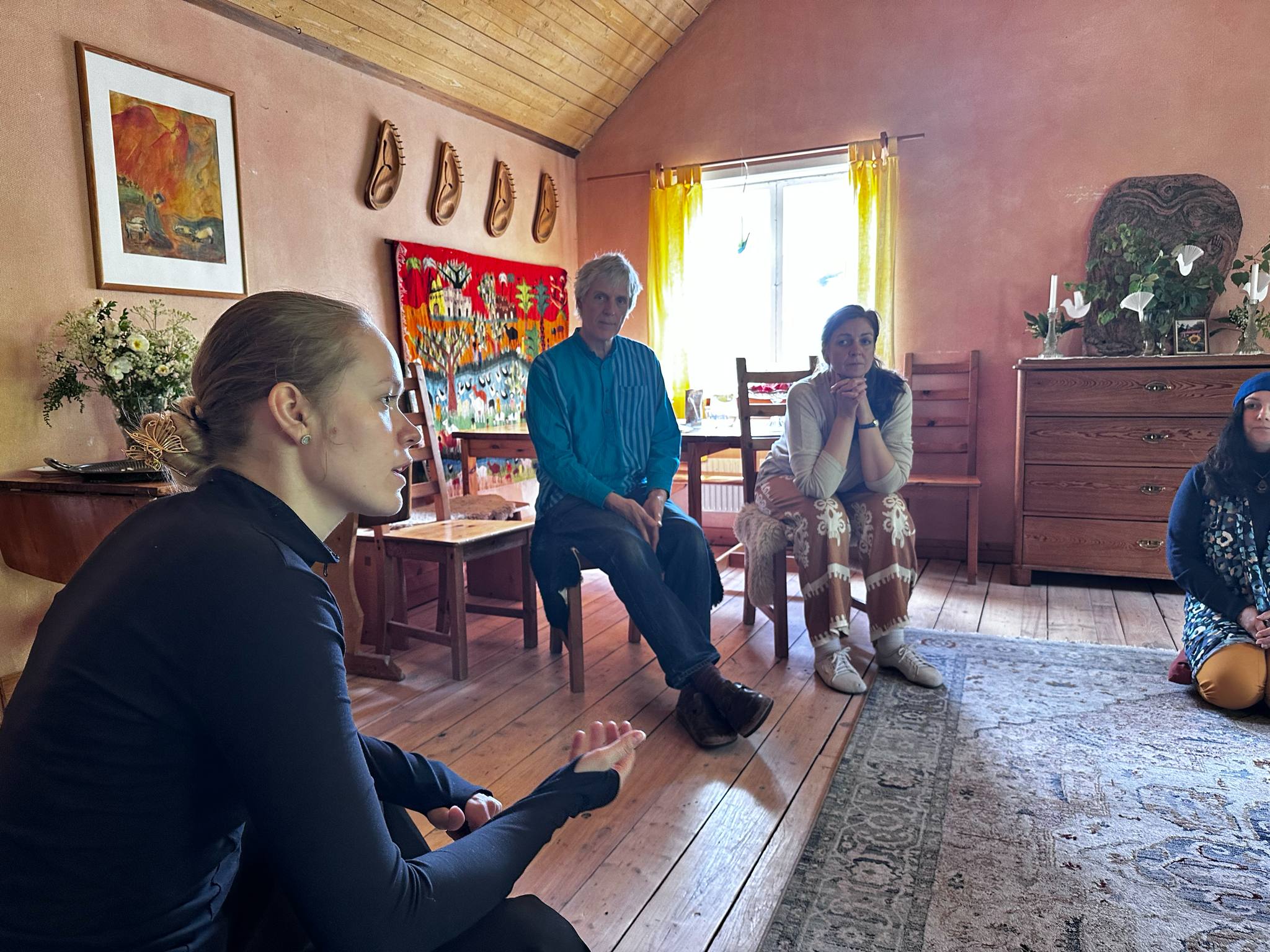
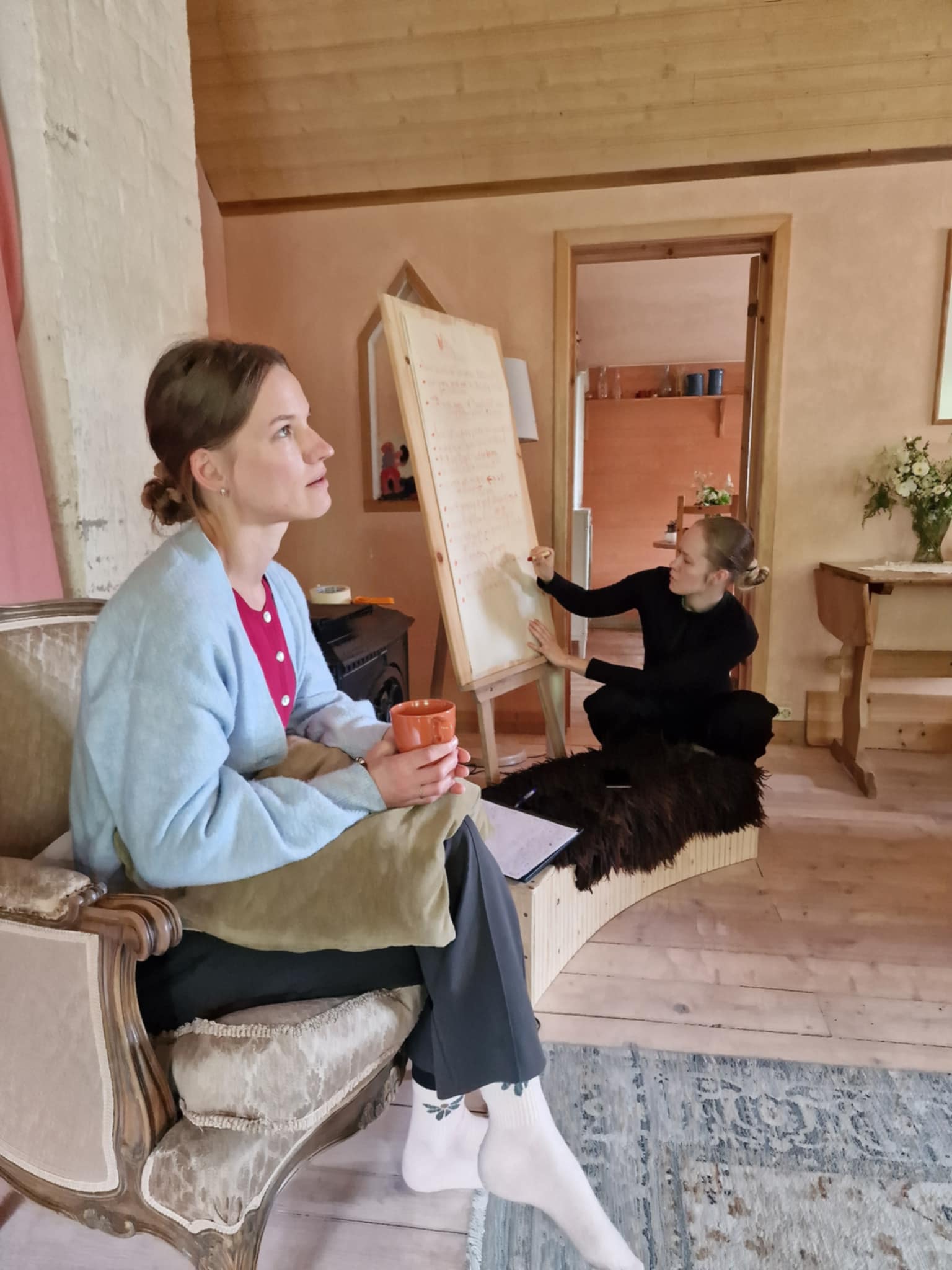
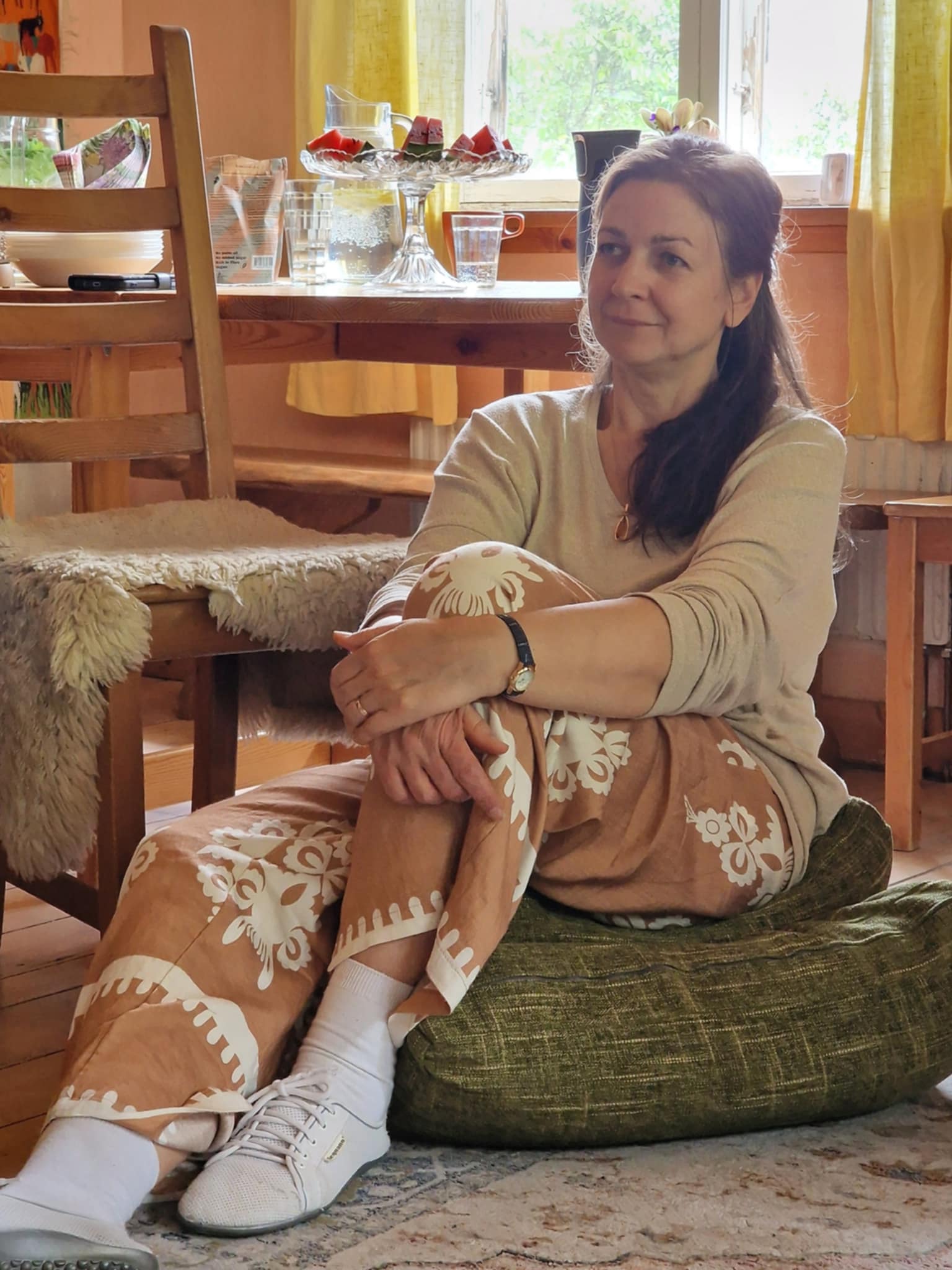
Seminar for sharing experiences Estonia: took place 8-9th of May 2026 in Võru
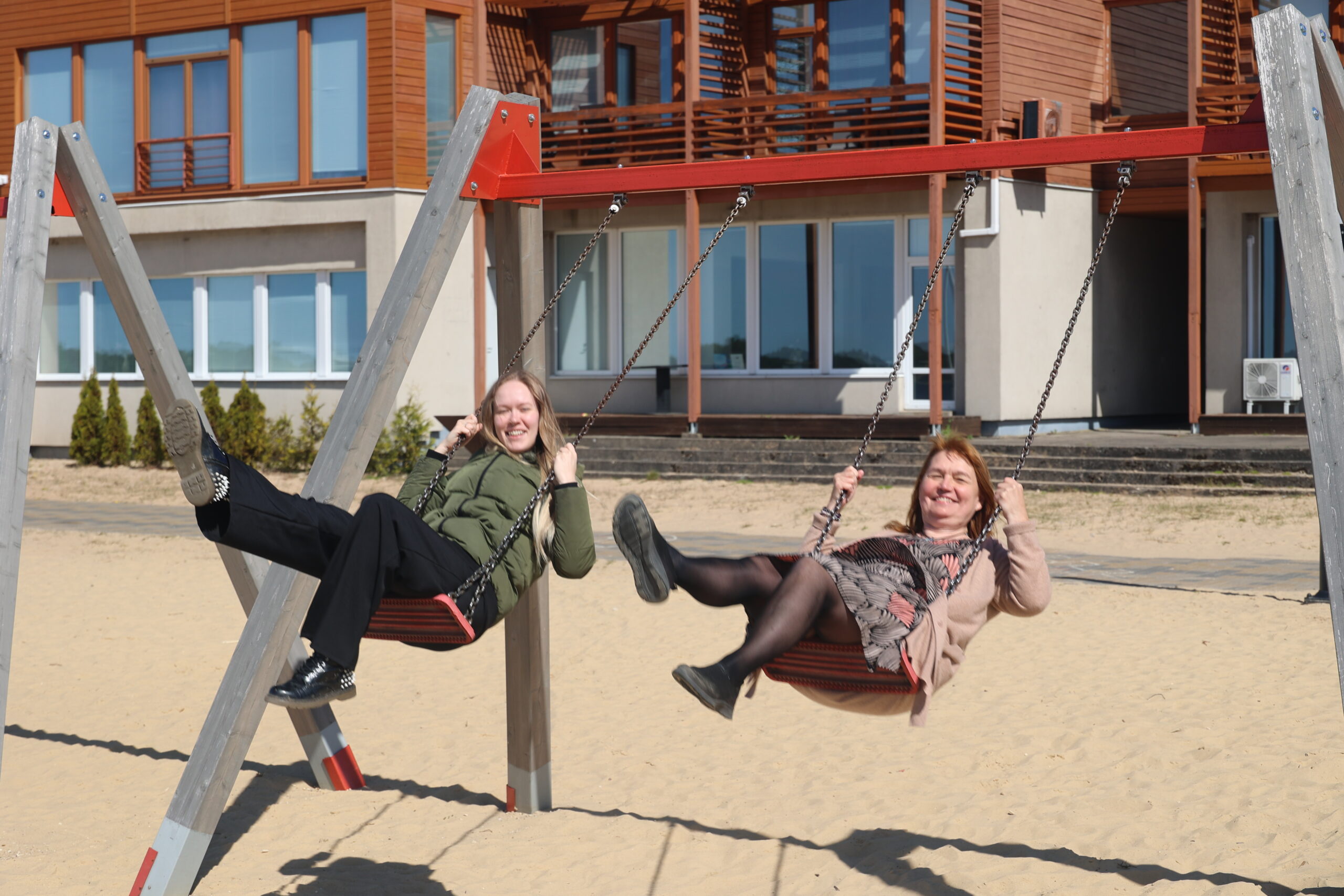
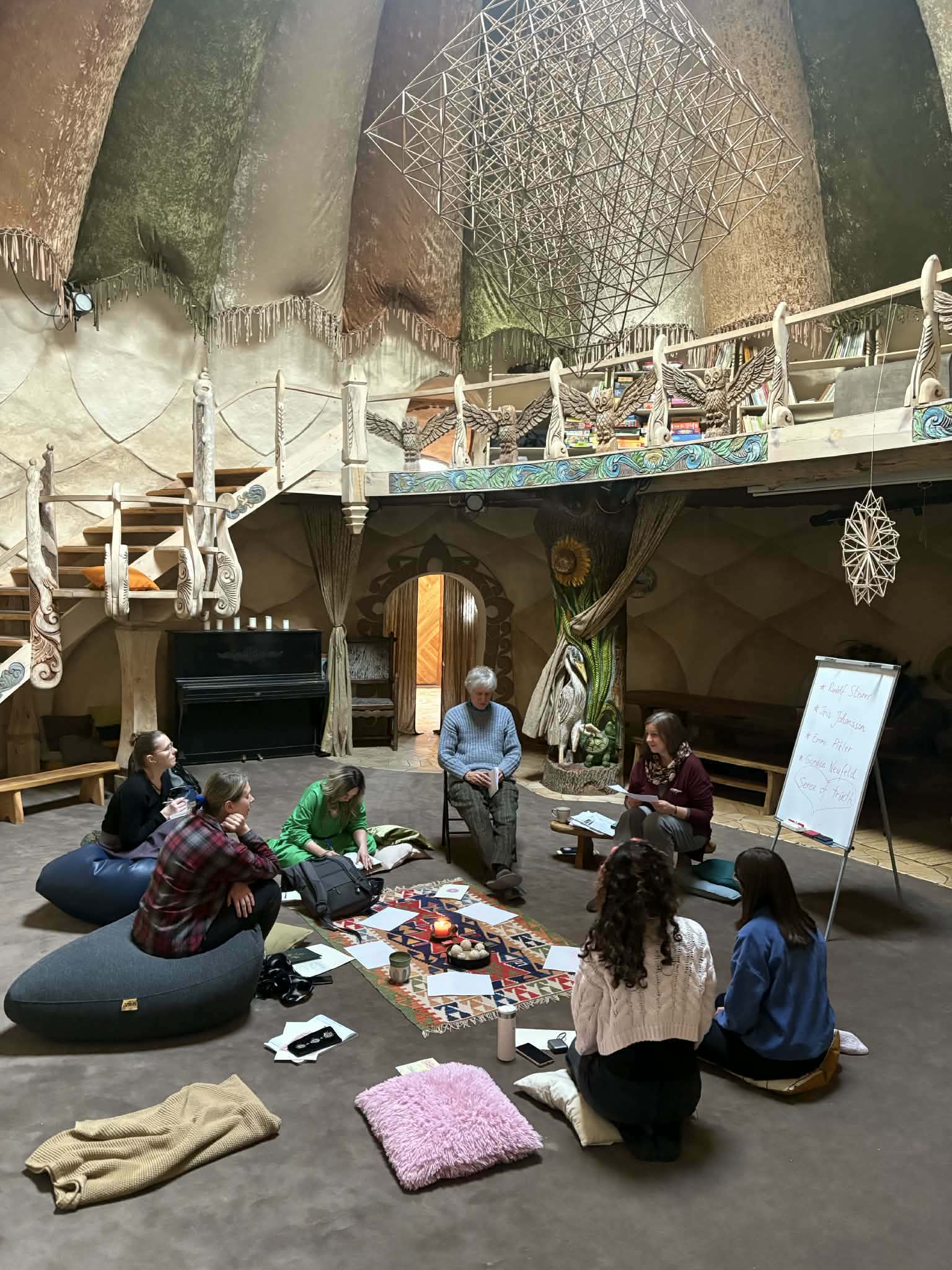
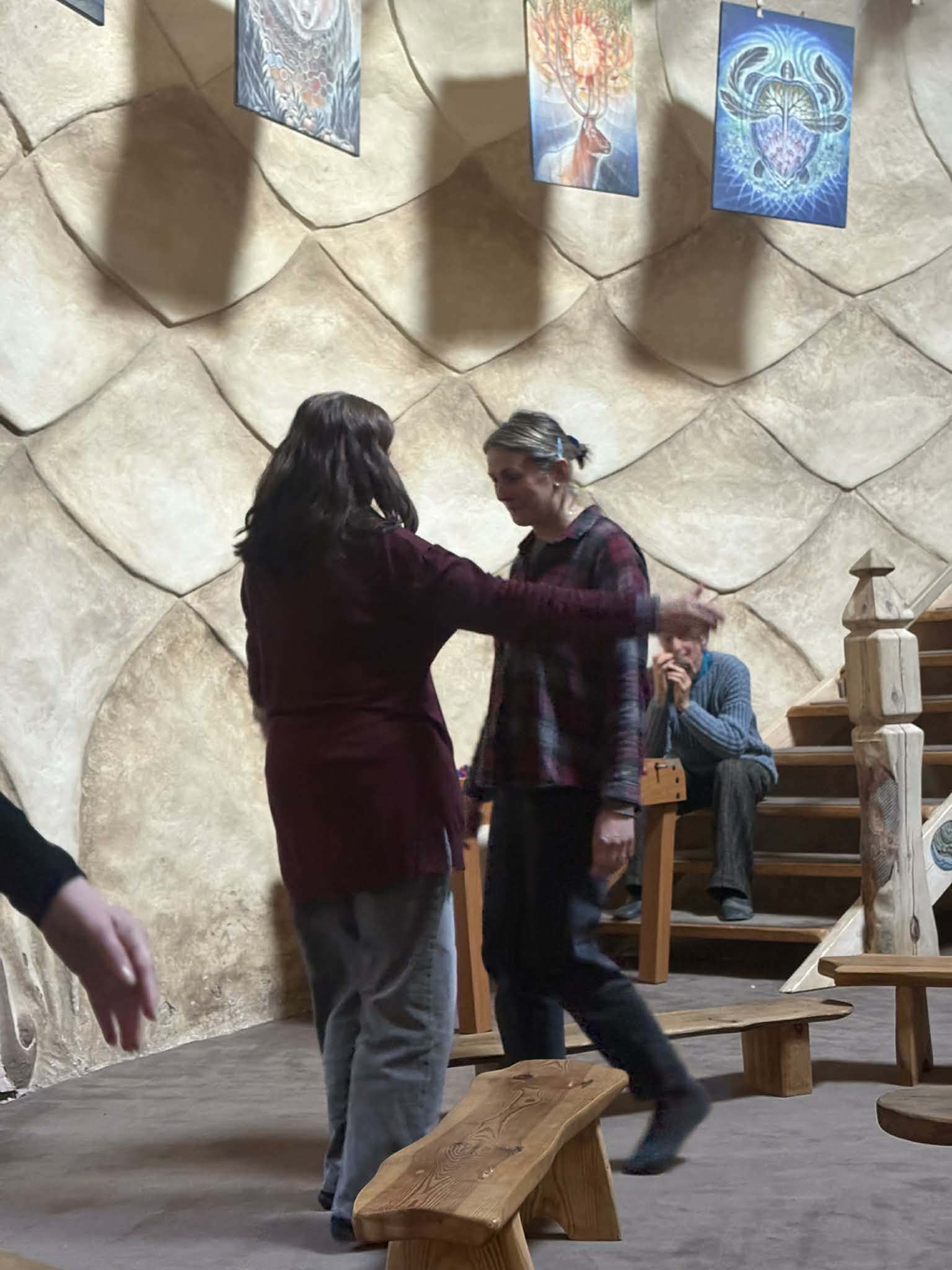
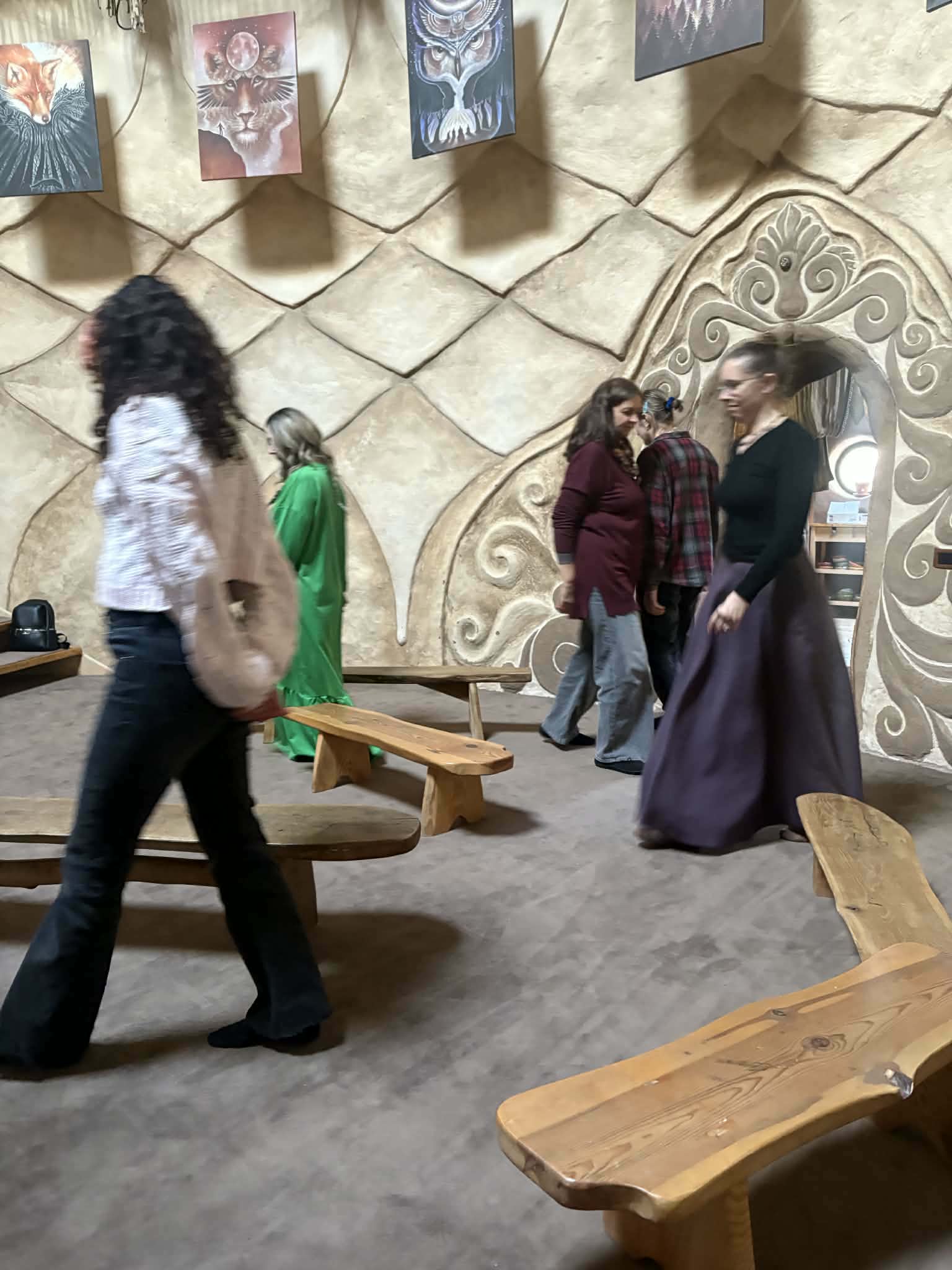
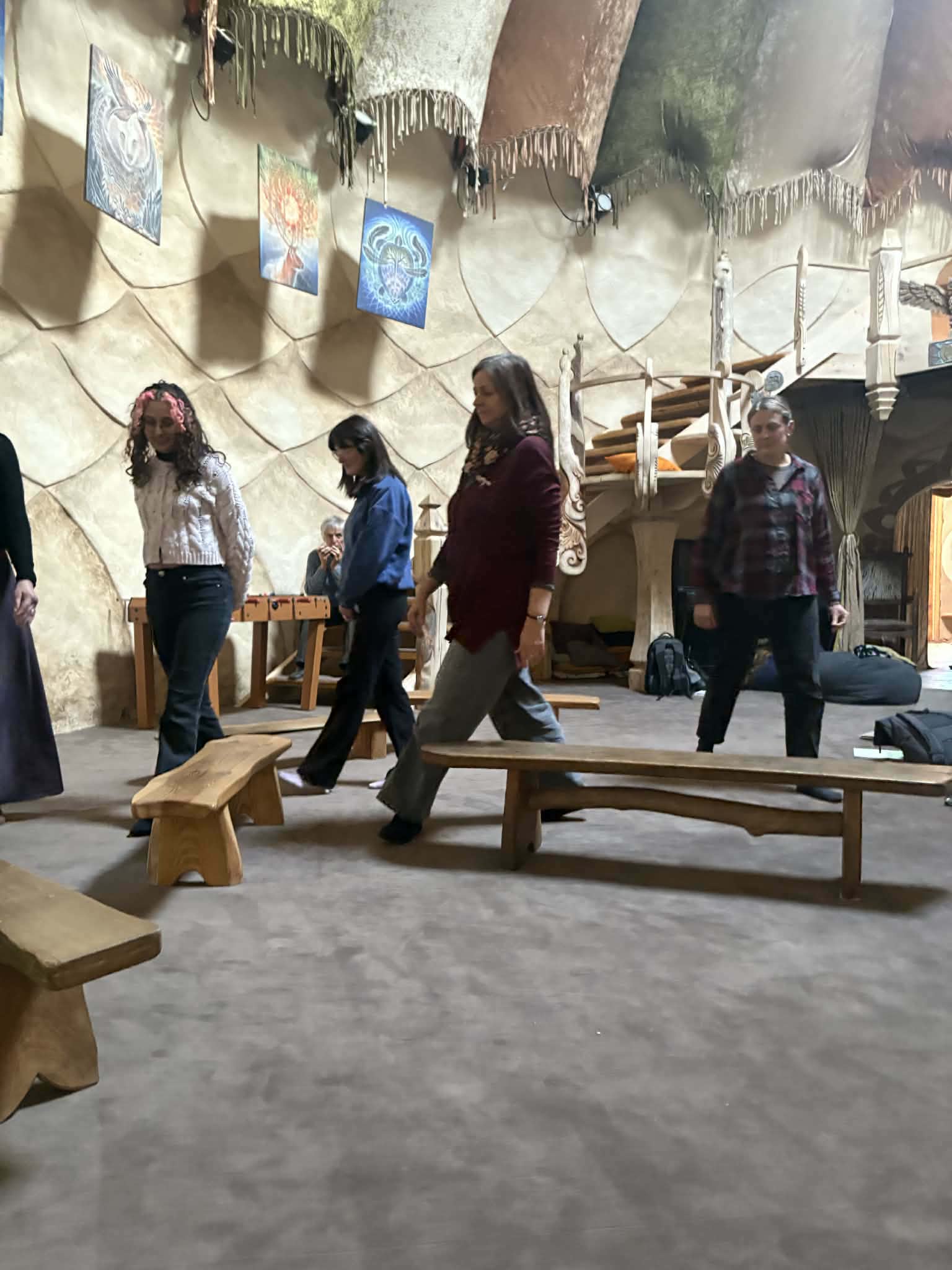
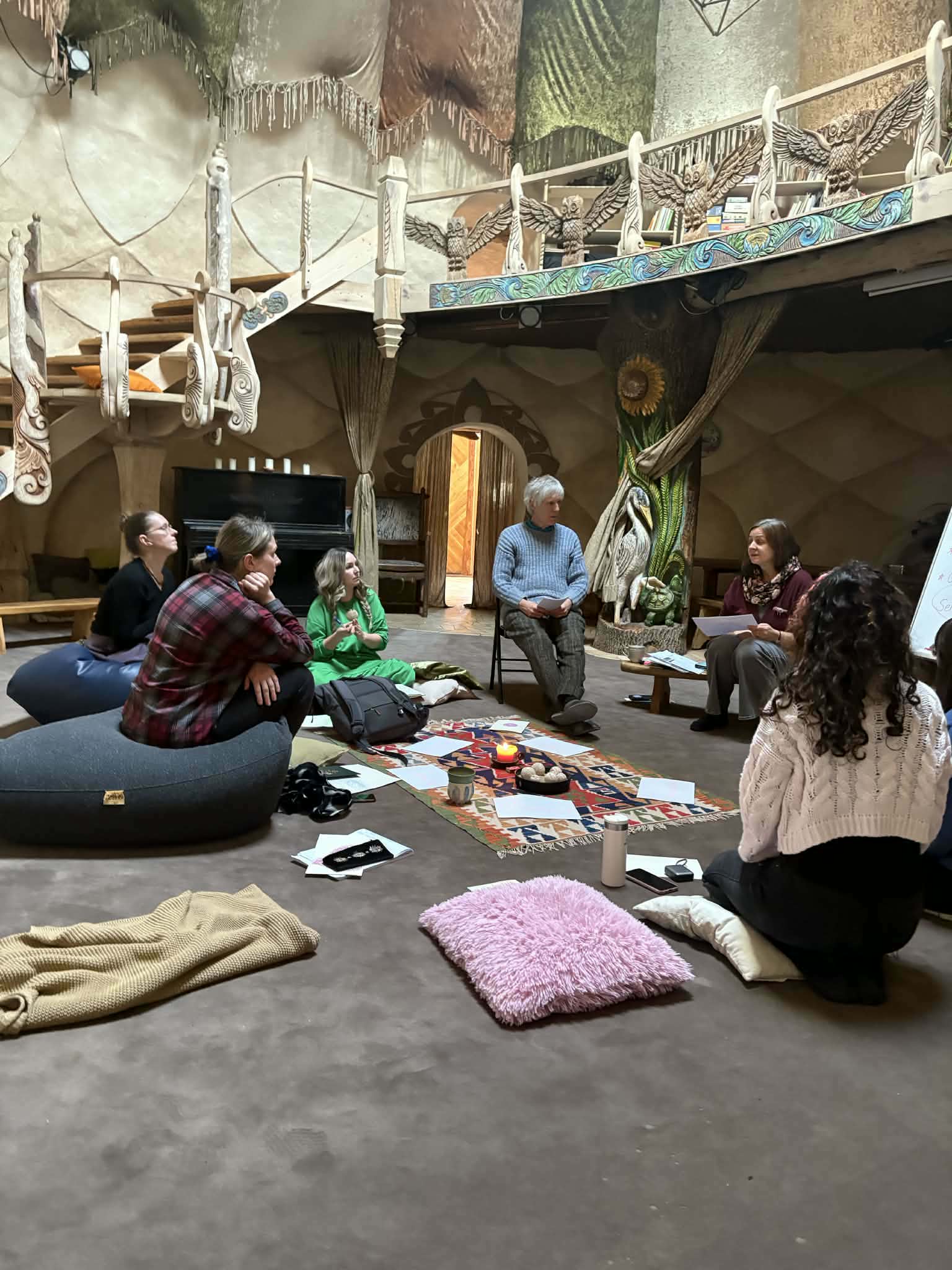
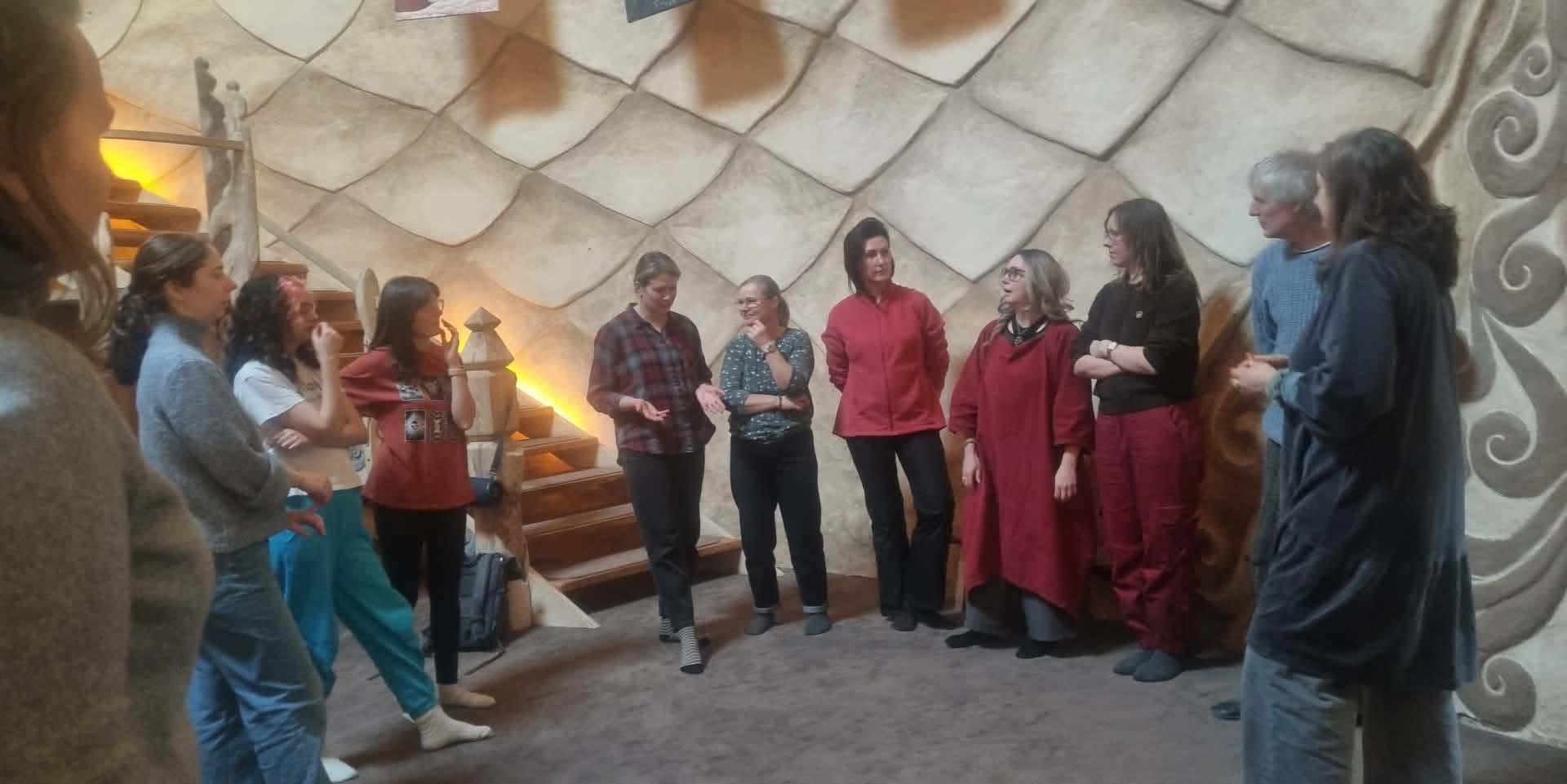
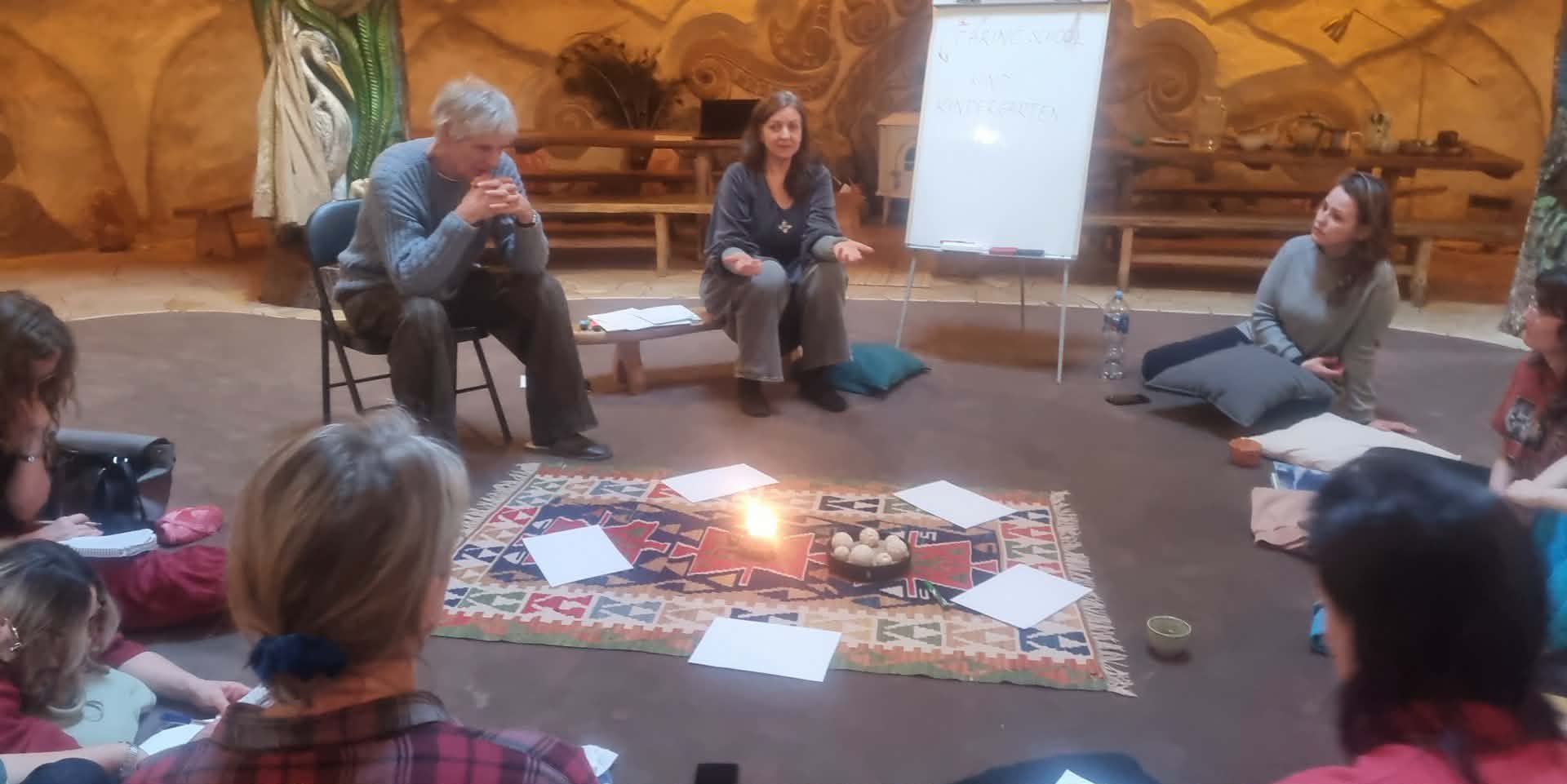
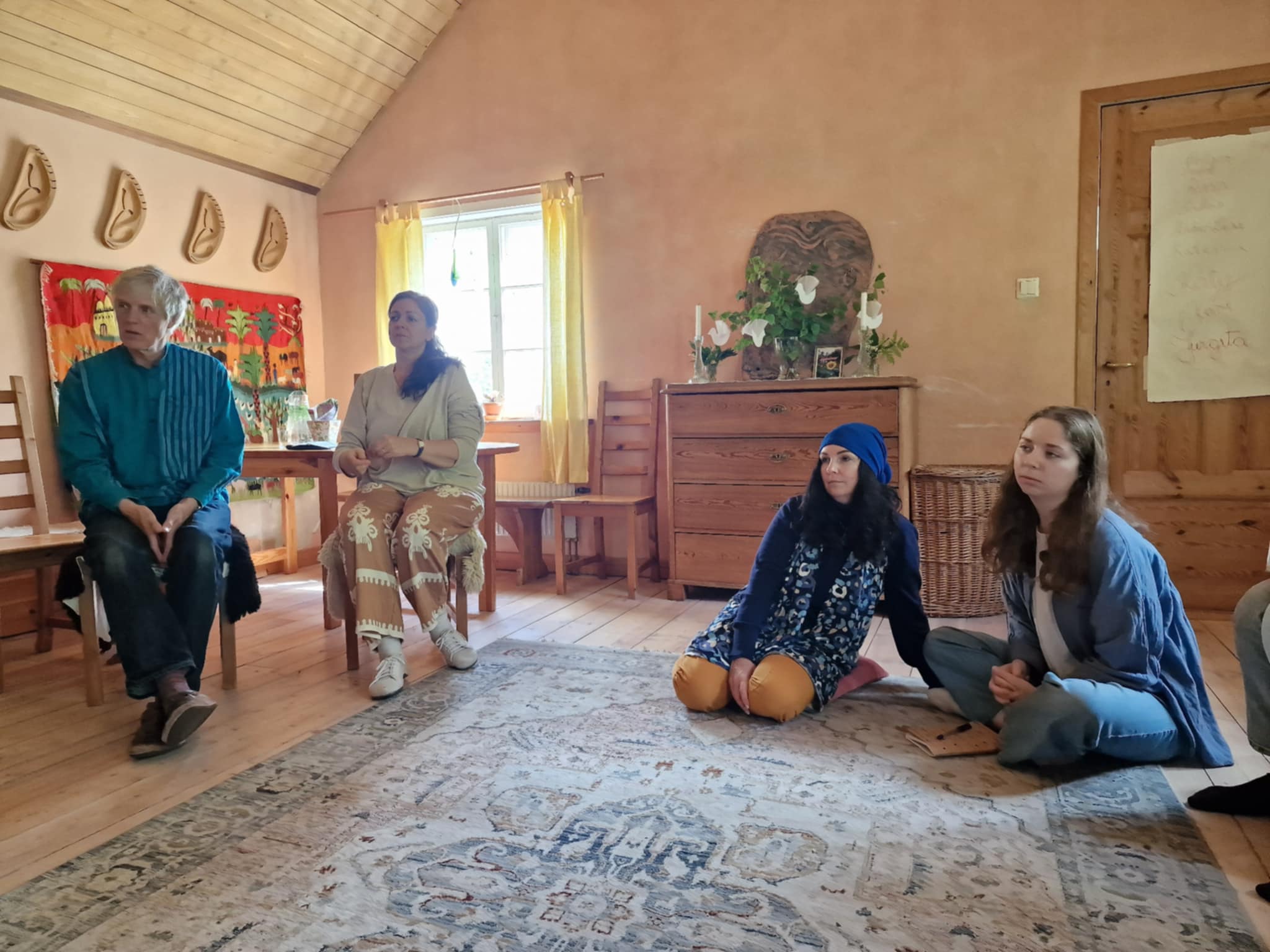
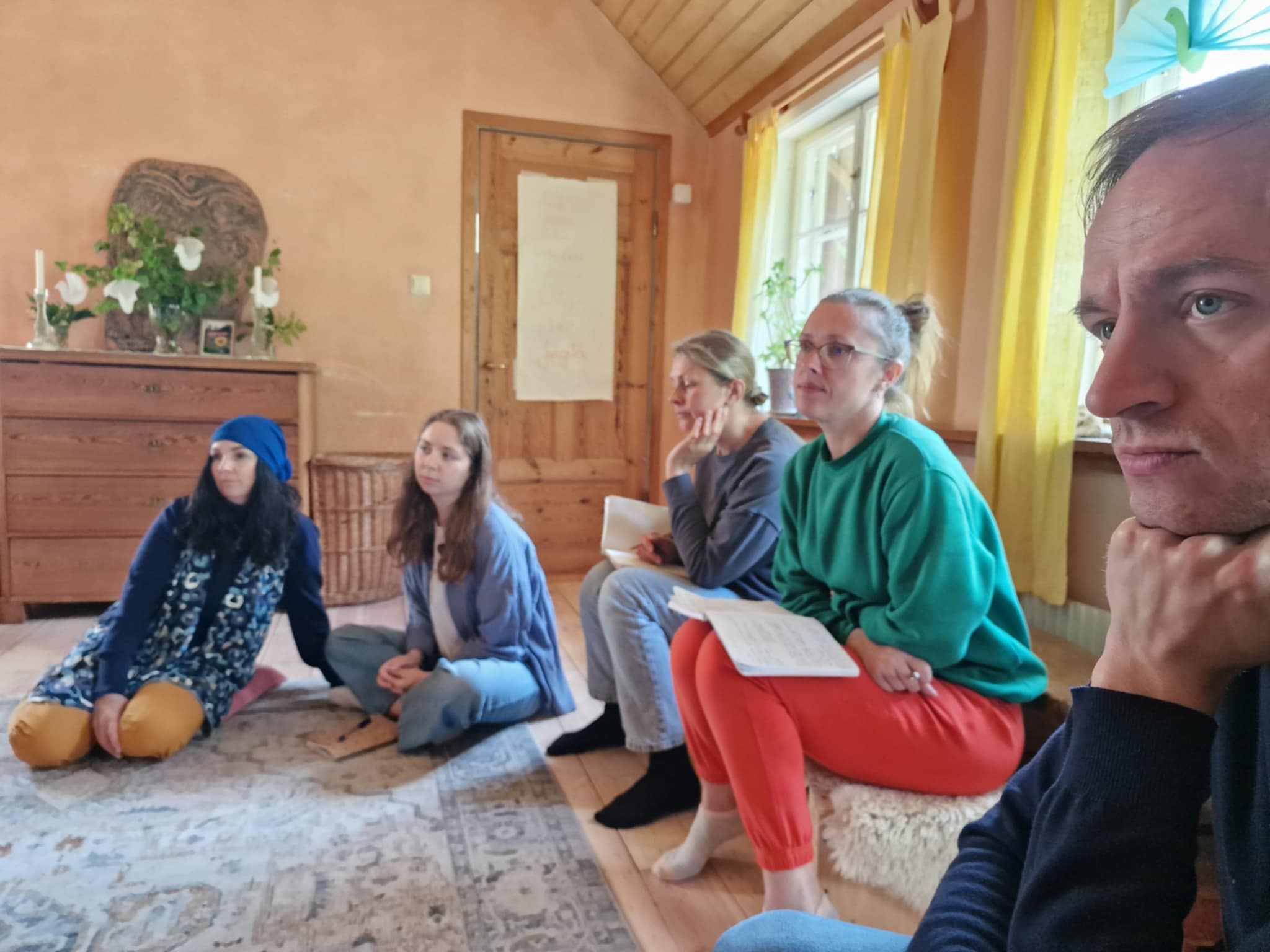
Pictures of Kind Kindergarten project trainings